
AV Solutions Benefits
Discover how a connected workplace quietly improves outcomes at every level
A Smart Workplace delivers value when technology, space, and operations are designed to work together. By connecting systems and data, organisations can improve everyday experiences, operate more efficiently, and make more informed decisions.
Across the organisation, a Smart Workplace reduces friction for employees and visitors by simplifying how people access, use, and navigate space. Integrated systems enable smoother journeys, better availability of resources, and a more consistent experience across locations and teams.
At the same time, connected data provides clearer insight into utilisation, performance, and operational demand, allowing organisations to optimise space, reduce waste, and plan with confidence. When delivered as a joined-up ecosystem rather than isolated tools, these benefits extend beyond go-live — supporting continuous improvement as business needs evolve.
Interested to learn more?

To book time with one of our experts please fill in your details below or call +44 (0)1784 601550.
Improve Space Utilisation
Most organisations don’t have a clear view of how their spaces are actually used. A smart workplace brings together real-time occupancy data, booking behaviour, and usage trends to show where space is working well - and where it isn’t. This insight allows you to plan, adapt, and optimise your workplace based on evidence rather than assumption.
- Clear visibility of how desks, rooms, and shared spaces are used
- Identification of under-used or over-subscribed areas
- Better decisions on space planning, reconfiguration, and consolidation
- Reduced need for unnecessary expansion or additional real estate
- Improved alignment between hybrid working policies and actual demand
- Data-led justification for investment, change, or cost reduction
Drive Sustainability
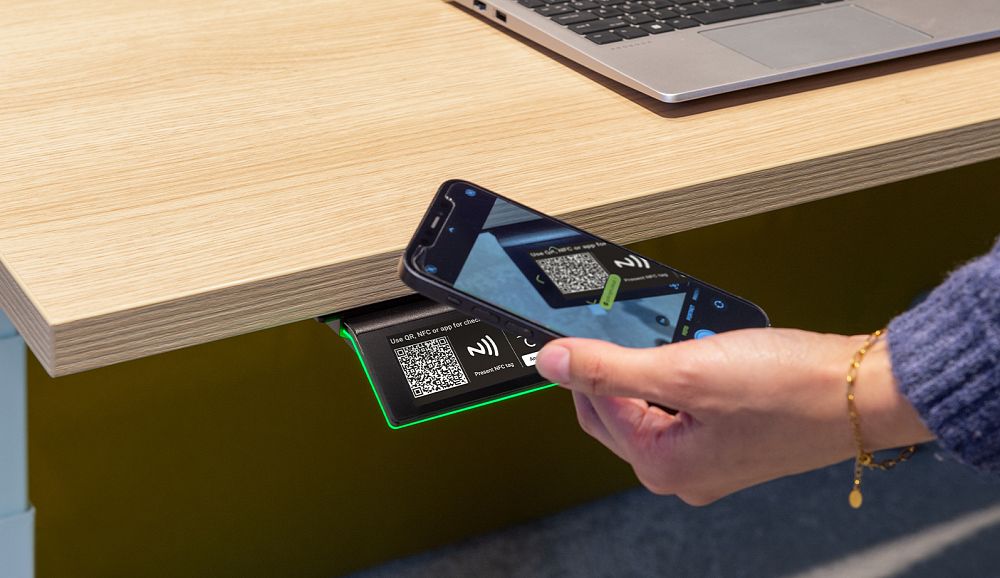
Workplace sustainability is driven by understanding how buildings and resources are used day to day. A smart workplace provides the data and automation needed to reduce waste, lower energy consumption, and support more sustainable ways of working - without compromising performance or experience. Reduced energy use through occupancy-led lighting, heating, and services
- Lower carbon impact by avoiding under-used or unnecessary space
- Better support for hybrid working, reducing travel and emissions
- Clear data to support sustainability targets and reporting
- Measurable progress against ESG and environmental commitments
- More responsible use of resources across the workplace

Enhance Employee Experience
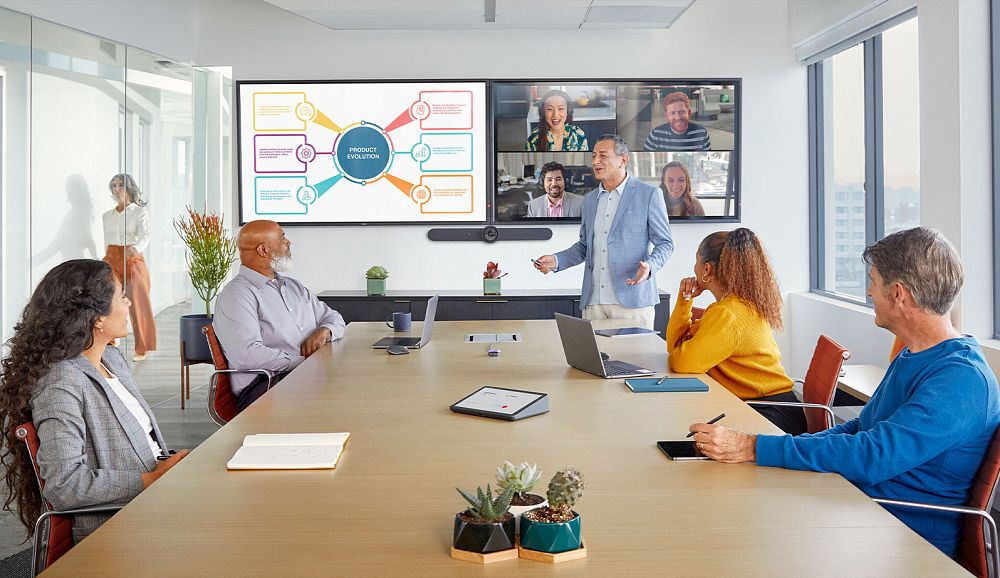
A smart workplace removes everyday friction and gives people more control over how they use the office. By making spaces easier to find, book, and navigate, it creates an environment that supports productivity, wellbeing, and flexibility - whether employees are in the office every day or working in a hybrid model.
- Simple access to desks, rooms, and shared spaces
- Clear visibility of availability before and during the workday
- Reduced frustration caused by overbooking or unclear ownership
- A more consistent experience across locations and buildings
- Better support for flexible and hybrid working patterns
- Workspaces that adapt to how people actually work
Unify Data and Insights
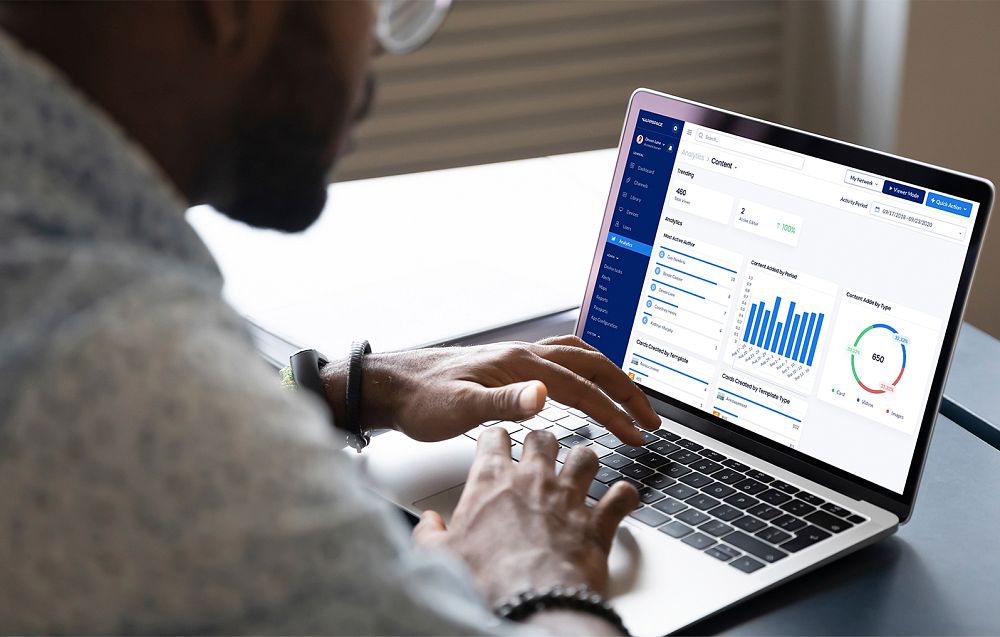
Workplace data doesn’t live in one system. Valuable insight sits across booking platforms, sensors, building systems, HR, finance, and operational tools. A smart workplace brings these sources together, creating a joined-up view that helps organisations understand performance, cost, and experience in context - not in isolation.
- A single view across workplace, HR, finance, and building systems
- Clear links between space usage, people, and operational cost
- Dashboards that support both day-to-day management and strategic planning
- Better forecasting for growth, consolidation, and investment
- Stronger evidence for business cases and budget decisions
- Insight that supports continuous improvement across the organisation
Reduce Operational Costs
Operational costs are often driven by inefficiency rather than necessity. By connecting workplace systems with building services, finance data, and operational processes, a smart workplace helps organisations identify where money is being spent unnecessarily and take action to reduce it.
- Lower energy and service costs through occupancy-led automation
- Reduced cleaning, maintenance, and support effort in low-use areas
- Better visibility of cost per desk, room, or building
- Removal of duplicated tools, licences, and processes
- Stronger control over operational budgets through real usage data
- Clear evidence to support cost reduction and optimisation initiatives

Strengthen Compliance and Security
Compliance and security are most effective when they are built into how the workplace operates day to day. Smart workplace systems help organisations enforce policies, control access, and manage space in ways that support ESG, safety, and governance requirements by design - with reporting as a natural outcome, not the sole focus.
- Compliance embedded into everyday workplace processes
- Automated controls that support sustainability, safety, and governance standards
- Secure access to buildings and spaces based on role, policy, and occupancy Real-time visibility that supports duty of care and safe capacity management
- Consistent enforcement across sites and locations
- Reporting and audit trails generated from compliant-by-design systems