AV Solutions About Smart Workplace
Enabling Smarter use of Space, Data, and Operations.
Smart Workplace technology from proAV helps organisations improve how people, environments, and operations connect – creating adaptive, sustainable, and efficient workplaces
At its core, a Smart Workplace brings together a range of technologies that monitor, manage, and automate how people interact with buildings and resources. Rather than operating as standalone tools, these technologies work as part of an integrated ecosystem, providing consistent insight and control across locations, teams, and functions.
As organisations adopt more flexible ways of working and manage increasingly complex estates, Smart Workplace solutions play a critical role in turning data into actionable insight, supporting day-to-day operations, and enabling continuous improvement over time.
Meet our specialist
Jack Belton
Smart Workplace Manager
London

Interested to learn more?

To book time with one of our experts please fill in your details below or call +44 (0)1784 601550.
What is Smart Workplace?
A Smart Workplace solution uses technology to improve how people, environments, and operations are managed. It typically involves:
- Measuring or monitoring spaces and conditions (sensors, occupancy, environmental data)
- Automating or optimising workplace functions (room booking, access control, lighting)
- Aggregating, processing, and visualising data to support decision-making
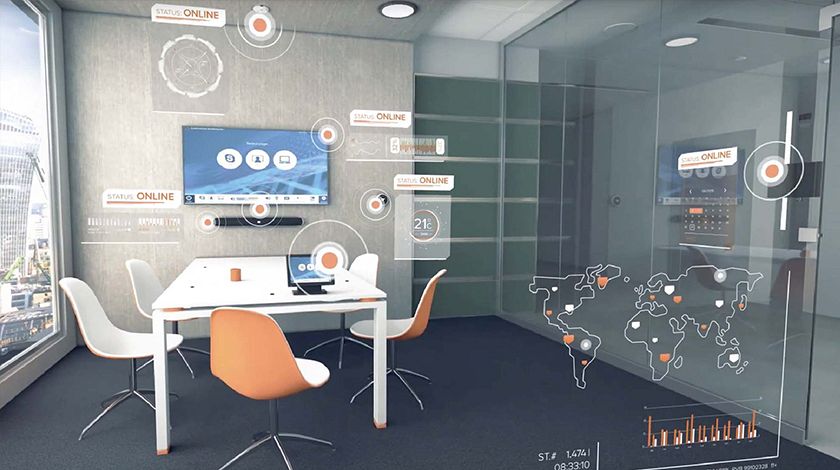
Key Features of a Smart Workplace
A Smart Workplace brings people, spaces, and technology together to create a more efficient, engaging, and sustainable working environments. It reduces friction, supports wellbeing, and gives organisations the data they need to make smarter decisions.
Key Features Include:
- Automation – Streamlines routine tasks reducing admin burden
- Workspace management – Optimises resource usage and increases efficiency of space utilisation
- Integrated Systems – Connects the workspace for better data and automation
- Employee Wellbeing – Design spaces and tools that keep people supported and productive
- Data Driven Insights – Uses real time information to guide decisions and boost performance
- Sustainability and ESG – Reduces energy use and waste through smarter operations
The Role of Data
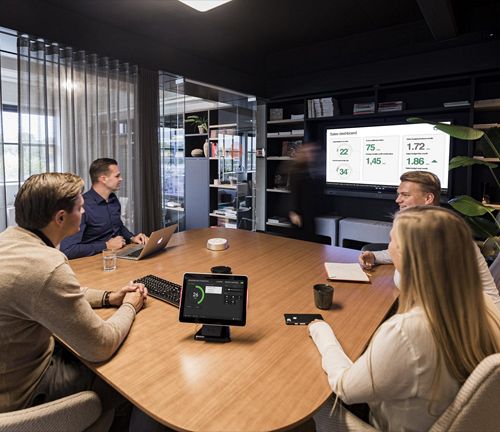
Data is the foundation of an effective Smart Workplace. It brings together information from sensors, systems, and user activity to create a clear, unified picture of how the workplace operates day to day. With consistent, reliable data organisations can manage their environments more intelligently, make informed decisions at scale, and ‘fuel’ meaningful AI tools.
The Role of Data Includes:
- Continuous Improvement – Highlights patterns in utilisation, behaviour, and performance to support ongoing optimisation
- Strategic Planning – Offers an evidence based view of demand, capacity, and operational trends for long term planning
- Measuring RoI – Quantifies the impact of workplace progranms, technology investment, and space change
- ESG and Compliance Reporting – Provides accurate, auditable information for ESG requirements
- Unified Data Layer – Consolidates inputs for multiple workplace systems into a single consistent source of truth, essential for any AI projects
- Operational Monitoring – Tracks real-time conditions across the workplace, helping teams identify issues quickly.
The Role of AI
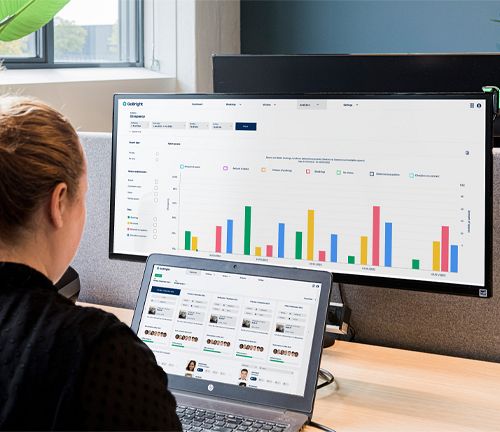
AI transforms the Smart Workplace from a reactive environment, into a predictive and adaptive one. By analysing patterns across occupancy, behaviour, and building systems AI helps organisations automate decisions, optimise space, and create a more personalised and efficient experience for employees
The Role of AI Includes:
- Agentic AI – AI agents take action across systems, automating tasks like bookings, adjustments, and issue resolution.
- Predictive Analytics – AI forecasts occupancy, demand, and environmental conditions to support proactive planning.
- Intelligent Automation – Workflows and building behaviours adjust automatically based on real-time context.
- Personalisation of Experience – AI tailors workplace settings and interactions to individual preferences and working styles.
- Anomaly Detection – AI identifies unusual patterns in usage or performance, allowing teams to intervene early.