

Top 5 Innovations Unveiled at CES 2026 That Will Shape the Future of AV
From AI-driven meeting rooms to wireless, cable-free displays, CES 2026 showcased how AV is becoming smarter, simpler, and more flexible than ever.
With ISE 2026 approaching, CES 2026 has provided an early glimpse into the technologies likely to shape the AV landscape and influence what we see at the show. While CES is consumer-focused, it often highlights innovations that can eventually translate into commercial AV applications once they become robust enough.
Below are five key innovations from CES 2026 that are likely to shape conversations at ISE 2026 and beyond:
1. AI-Powered Meeting Assistants
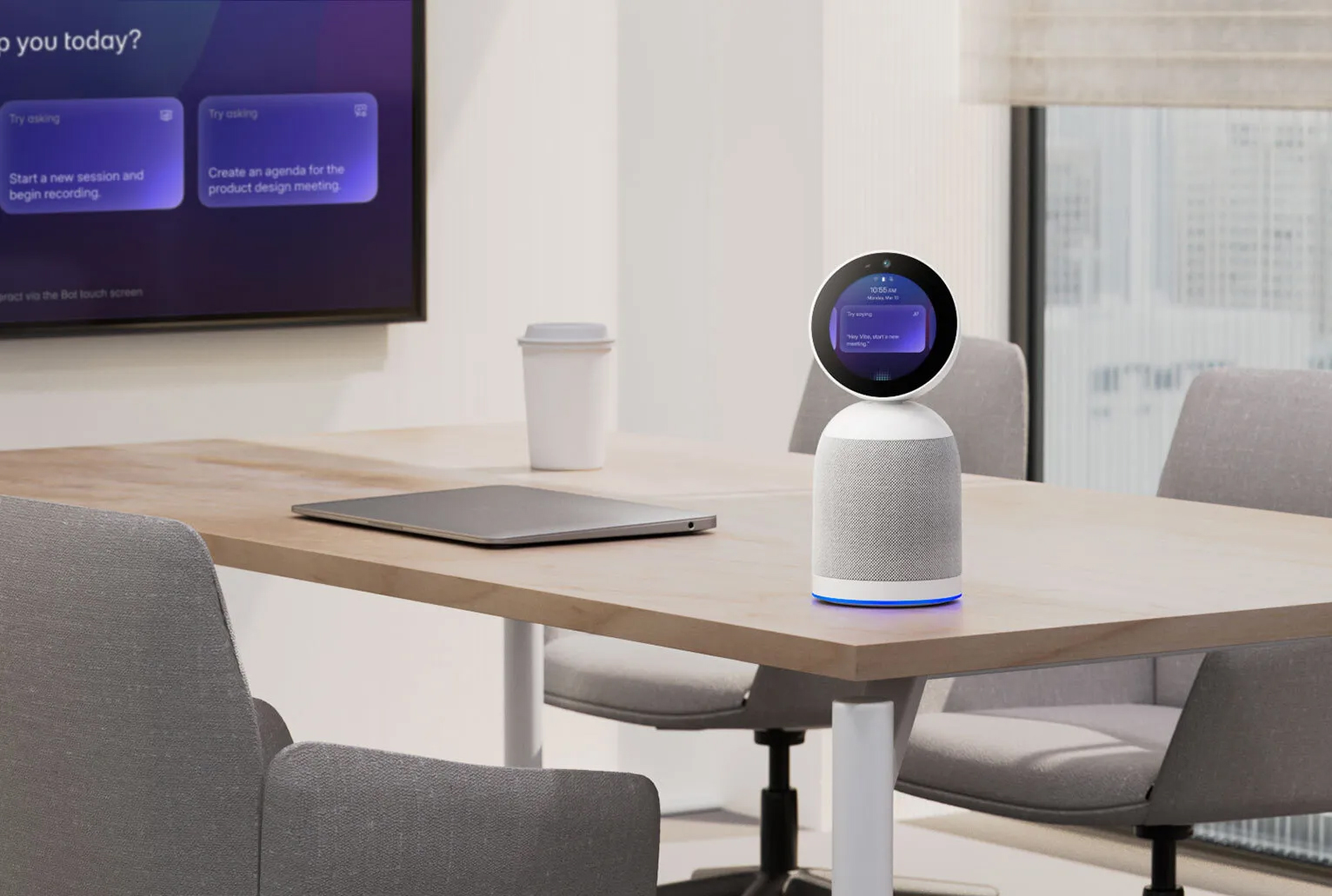
One of the innovations that stood out at CES 2026 was the growing presence of AI-powered meeting assistants. While AI-driven transcription and summarisation are already familiar through platforms such as Zoom and Microsoft Teams, some of the solutions on show demonstrated how these capabilities are beginning to extend beyond software alone. A example came from Vibe, which showcased a dedicated, table-based device designed to capture discussions in real time, transcribe conversations, highlight key actions, and allow users to query what has been discussed.
Participants could, for example, ask a question such as “What decision was made about Project X?” and receive an instant summary based on the conversation captured during the meeting. Summaries and transcripts can also be accessed during or after a session, allowing late joiners to quickly catch up without disrupting the discussion. From an AV perspective, this points toward smarter, more accessible meeting spaces that support more efficient collaboration, with clear value across education, training, and other shared environments where capturing and revisiting information is important.
2. Augmented Reality and Wearable Glasses
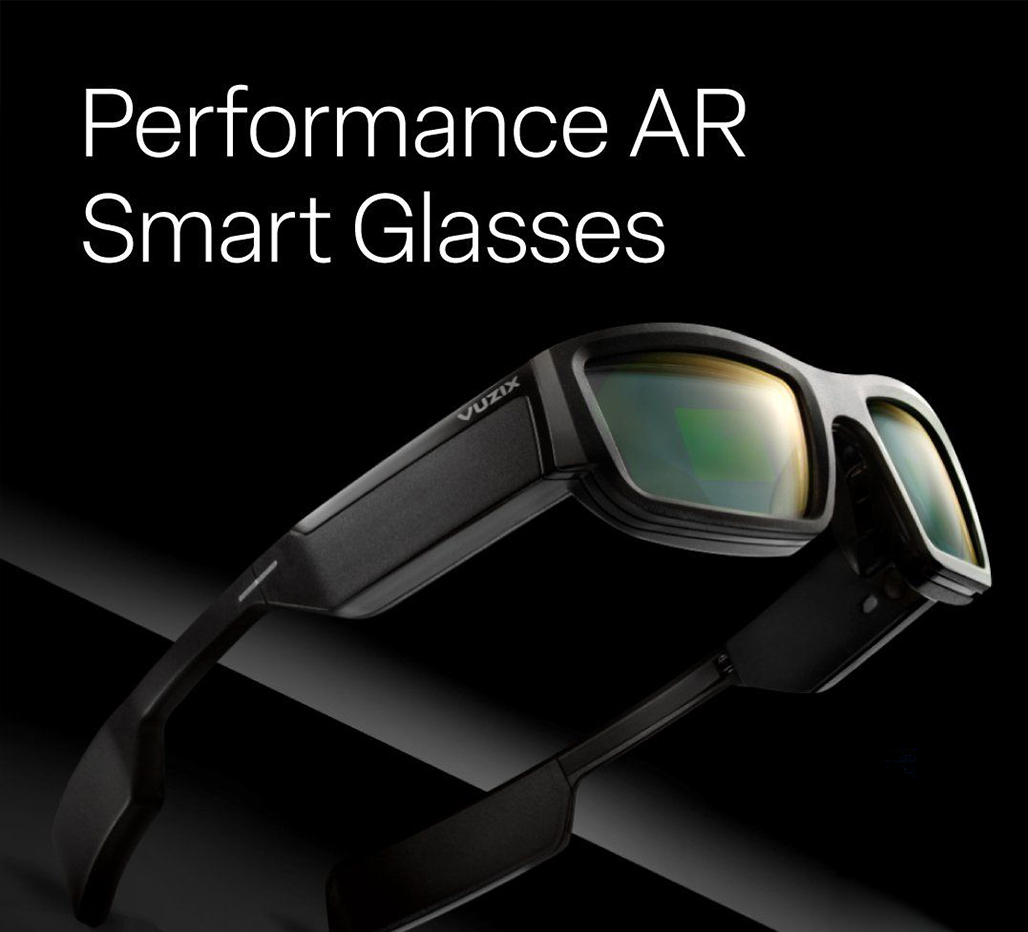
Augmented reality at CES 2026 showed clear signs of moving beyond gaming and demonstrations, with wearable glasses being positioned for practical use across real-world AV environments. For the AV sector, this presents clear opportunities around on-site installation, commissioning, and support, where hands-free access to information can improve efficiency and reduce the likelihood of errors. Companies such as Vuzix demonstrated how AR glasses could support technicians by displaying step-by-step instructions, visual prompts, and contextual information directly within their field of view, while keeping their hands free and focused on the task. In some demonstrations, this also enabled remote support, allowing others to see exactly what the technician sees and provide guidance in real time.
Beyond technical support, AR wearables also introduce potential across training, education, and experiential environments. In education, retail, and controlled visitor spaces, AR can be used to add interactive or contextual layers alongside traditional AV solutions such as displays and digital signage. Rather than replacing existing systems, CES 2026 showed how AR glasses can act as a complementary tool, with applications in museums and retail environments where enhanced visitor engagement can become a key differentiator.
3. Micro RGB Displays: Smarter Large-Format Visuals
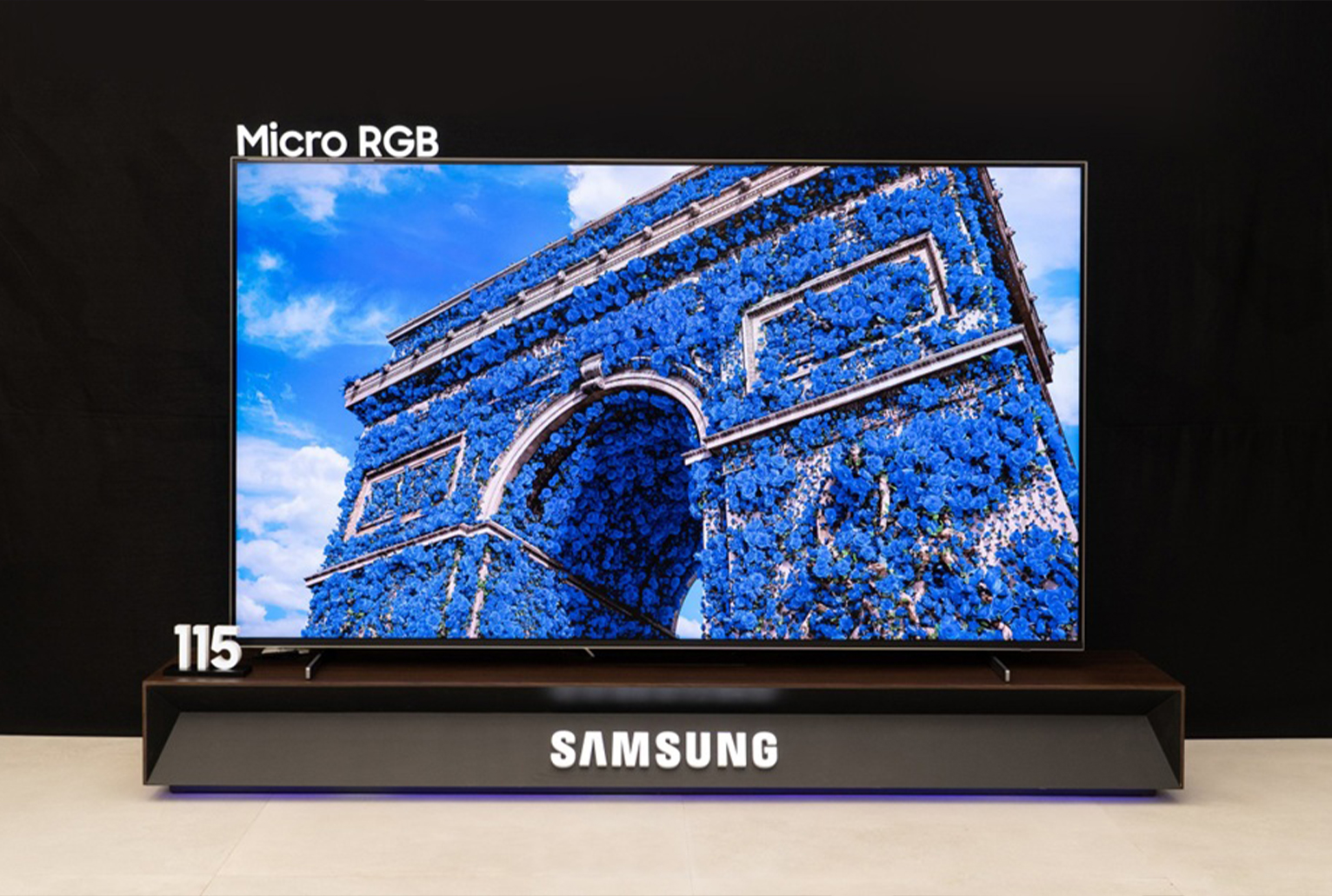
Following the shift toward simpler, more intelligent collaboration spaces, we also saw major advances in large-format display technology, particularly with the emergence of Micro RGB displays. One standout was the 130-inch Micro RGB display from Samsung, which immediately caught attention thanks to its exceptional brightness, colour accuracy, and contrast. Combined with Samsung’s glare-reduction technology, reflections are minimised, allowing the display to perform consistently even in bright, open environments. Depending on reliability, longevity, and energy-saving credentials, Micro RGB could become an ideal solution for corporate lobbies, retail spaces, and other high-impact public areas, where visual presence and reliability are essential. The addition of AI-powered calibration enables the display to automatically optimise output based on ambient light and content, ensuring maximum performance throughout the day with minimal manual intervention. It’s a strong example of how display innovation is moving beyond size alone, toward smarter, more adaptable visual solutions for professional AV environments.
4. Design-Integrated Audio Systems
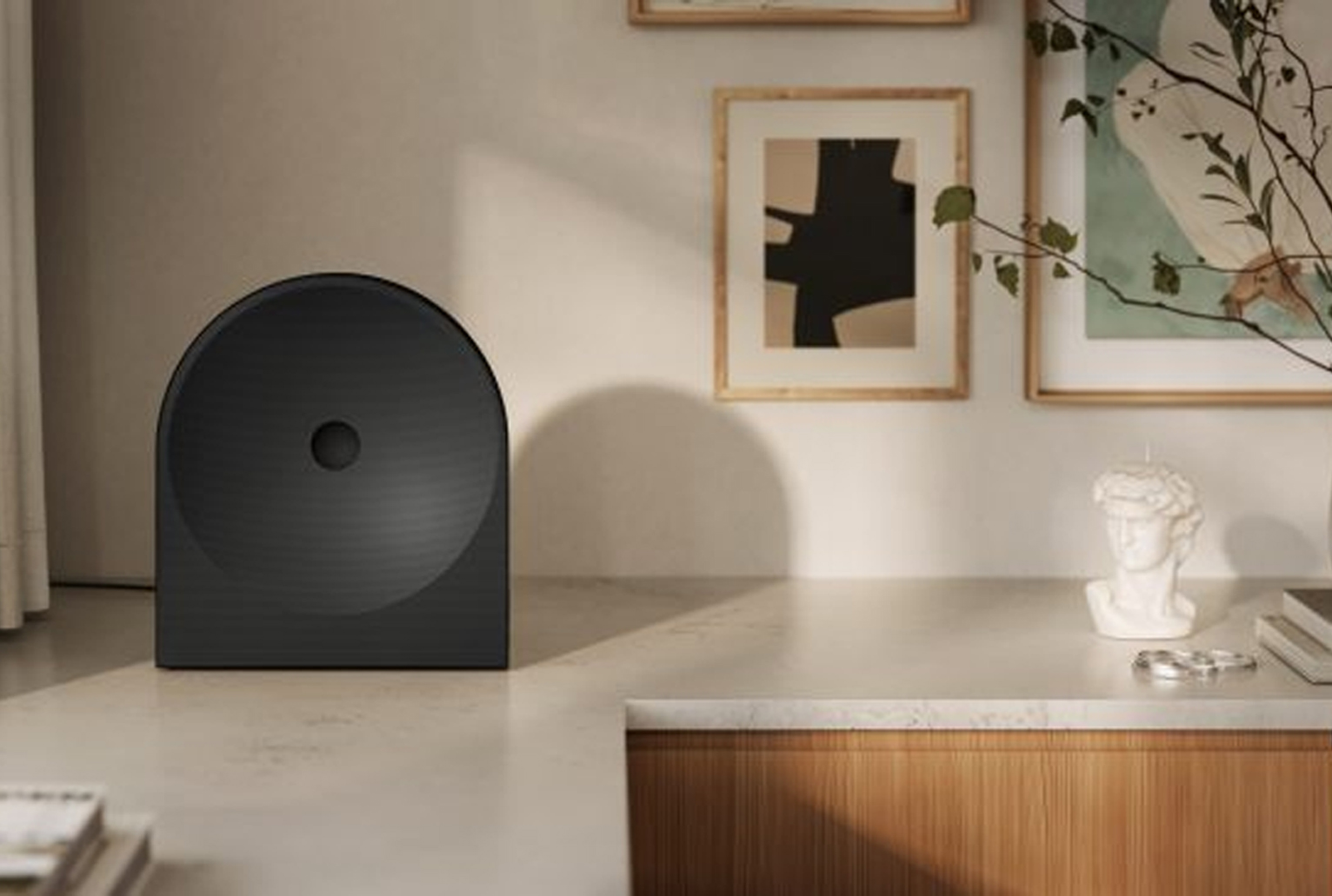
Alongside advances in visual technology, audio systems are
also becoming more visually integrated, flexible, and scalable. Manufacturers
showcased minimalist, design-led speakers intended to blend into modern
interiors, alongside modular and wireless audio systems that can expand over
time without the need for additional cabling or disruptive changes. A good
example of this came from Samsung, which highlighted design-integrated
audio through products such as its wireless soundbars and Music Frame speakers,
designed to deliver high-quality audio while visually blending into a space
rather than standing out as traditional AV hardware. This approach is
particularly relevant across hospitality and residential environments, where
aesthetics are critical but high-quality audio is still expected.
Design-integrated audio allows sound to be delivered discreetly or as a subtle
design feature, supported by intuitive applications that simplify calibration
and control, resulting in cleaner installations and a better overall experience
for end users.
5. Wireless and Cable-Free AV Solutions
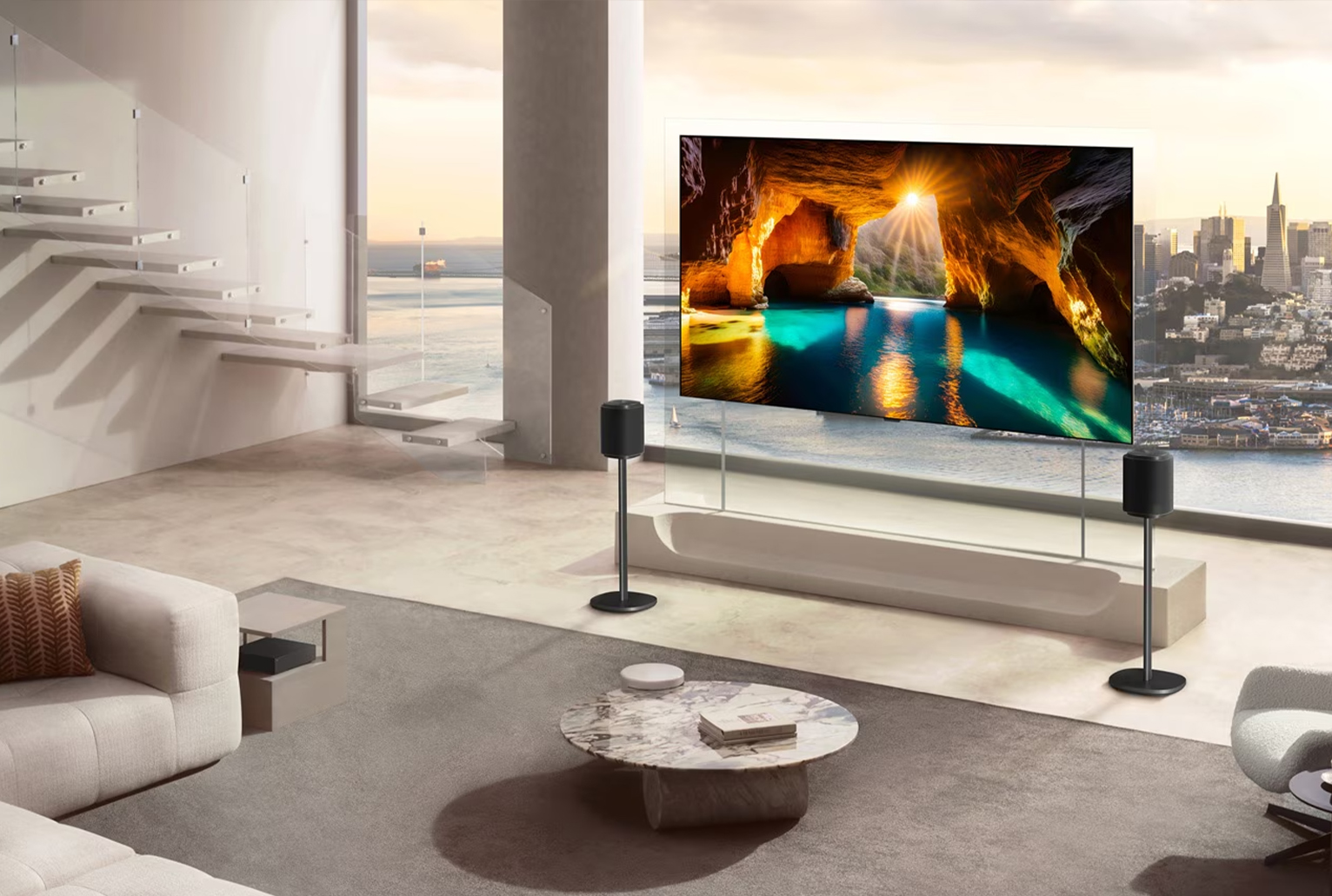
The final innovation that stood out was the continued push toward wireless and cable free AV solutions, particularly within the consumer technology space. While large scale video walls and professional audio systems still rely heavily on fixed infrastructure and cabling and are likely to do so for many years to come, it was impressive to see how manufacturers are pushing the boundaries of what is technically possible. Rather than signalling an immediate shift for AV environments, these developments offer an early indication of how it could evolve over time.
A notable example came from Displace, which showcased a fully wireless 4K OLED video wall system powered by internal batteries, removing the need for both signal and power cables in 110 and 130 inch configurations. Alongside this, LG demonstrated a similar direction with its OLED evo W6 wireless TV, reinforcing the appeal of cleaner aesthetics, reduced visible infrastructure, and faster deployment in suitable scenarios. While these solutions are currently more aligned with consumer led or niche use cases, such as temporary installations or flexible education environments, they highlight an important direction of travel. As wireless technology continues to mature, elements of this approach may begin to influence how certain AV systems are designed and deployed, even if fully cable free solutions remain a longer term consideration for the AV sector.
Looking Ahead to What’s Next
.jpg)
While CES offers an early look at emerging technologies, the real impact comes as these ideas evolve into solutions designed for real-world AV environments. With ISE 2026 approaching, the focus is shifting toward integrated ecosystems where AV, collaboration, and smart technologies work together with ease. As smarter systems, flexible infrastructure, and user-focused design continue to lead the way, the next phase of AV innovation will be defined by how well technology supports people, spaces, and experiences.
For ongoing insights and updates from ISE 2026, follow us on LinkedIn as we share key takeaways, industry developments, and daily highlights throughout the show.
Share